






🐙 Short Facts
- Species: over 300 known species worldwide
- Hearts: 3 – two for the gills, one for the body
- Brains: 9 – one central brain + one in each arm
- Lifespan: 1–5 years (depending on species)
- Threats: Overfishing, plastic pollution, habitat destruction
Octopuses in the Ocean – Why These Animals Are So Special

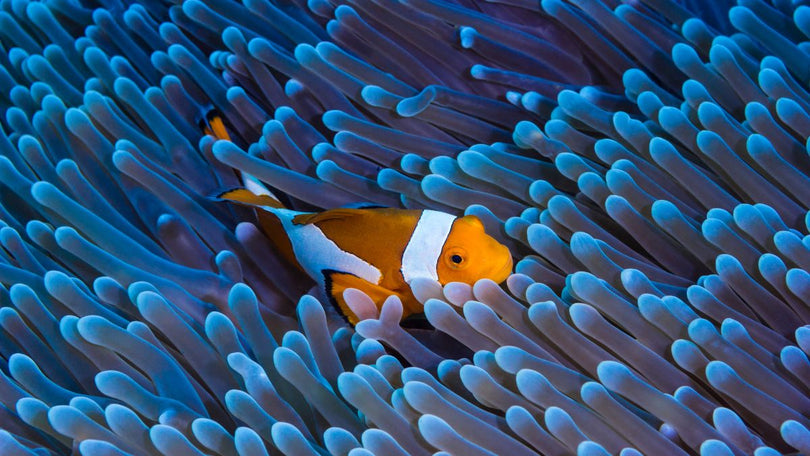
Image credit: Photo by @ayya.lens
When you think of the smartest animals in the world, dolphins, chimpanzees, or crows probably come to mind. But one animal is almost always underestimated: the octopus. These fascinating cephalopods are among the most amazing creatures in the ocean – and they constantly surprise even scientists with their abilities.
Octopuses can open screw-top jars from the inside, squeeze through tiny crevices, and change their skin color in milliseconds. And all of this without a single skeleton. What lies behind these incredible abilities – and why do octopuses need our protection?
Three Hearts, Blue Blood, and Nine Brains 🧠
The biology of octopuses reads like science fiction. They possess three hearts: two pump blood through the gills, the third supplies the rest of the body. Their blood is not red, but blue – because instead of hemoglobin, it uses copper-containing hemocyanin, which works more efficiently in cold, oxygen-poor water.
Even crazier: Octopuses have nine brains. The central brain in the head coordinates overall movement, but each of the eight arms has its own independent nerve center. This means an arm can independently open a mussel, while the octopus does something completely different with the rest of its body.
Masters of Camouflage – The Perfect Illusion 🎭

Octopuses are the undisputed champions of camouflage in the animal kingdom. Within fractions of a second, they can change the color, pattern, and even the texture of their skin. They imitate corals, algae, sand – or even other animals. The mimic octopus can mimic the appearance of over 15 different marine creatures, including sea snakes, lionfish, and jellyfish.
This ability serves not only as defense against predators. Octopuses also use their camouflage when hunting – they sneak up on crabs and fish almost invisibly. For marine biologists, this is proof of a highly developed nervous system and a form of intelligence that we would hardly have expected in invertebrates.
Problem Solvers Underwater – Smarter Than We Thought
In laboratory experiments, octopuses have proven to be true thinkers. They solve mazes, remember solutions, and can even use tools. Some carry empty coconut shells around to fold them together as a shield when in danger – this is one of the few known examples of tool use in invertebrates.
Particularly impressive: Octopuses can learn through observation. If one octopus watches another open a jar, it can then do it itself – without prior practice. This type of social learning is extremely rare in the animal kingdom and shows how complex their mental abilities truly are.
Why Octopuses Need Our Help 🌊
Despite their remarkable adaptability, octopuses face growing threats. Overfishing is a massive problem: worldwide, over 350,000 tons of octopuses are caught annually – and the trend is rising. Particularly in Southeast Asia, the Mediterranean, and West Africa, stocks are heavily depleted by industrial fishing.
In addition, there is plastic pollution. Octopuses, which like to live in caves and hiding places, increasingly use plastic bottles and cans as shelters. This sounds almost cute, but it's fatal: These containers offer no real protection from predators and can release toxins. Microplastics enter their bodies directly through the food chain.
The warming of the oceans also affects octopuses. Rising water temperatures impact their metabolism and shorten their already brief lifespan. Some species are particularly sensitive to temperature changes in their breeding grounds.
What You Can Do for Octopuses and the Ocean
The good news: You can make a difference. Here are concrete steps that help:
- Consume consciously: Avoid octopus as food or at least pay attention to sustainable fishing methods.
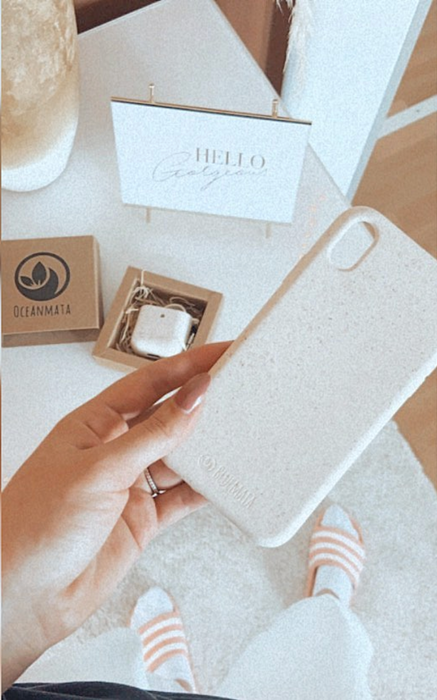
- Reduce plastic: Every piece of plastic that doesn't end up in the sea is a win for octopuses and all other marine creatures. With sustainable products like phone cases made from ocean plastic, you ensure that plastic is removed from the sea instead of thrown into it.
- Support marine conservation projects: Organizations like Oceanmata work every day to remove plastic from the ocean. With a marine animal sponsorship, you can help directly.
- Share knowledge: The more people understand how fascinating and worthy of protection octopuses are, the greater the pressure for better protective measures.
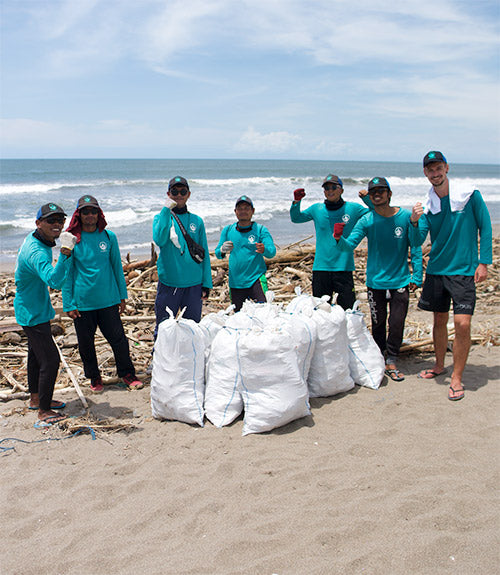
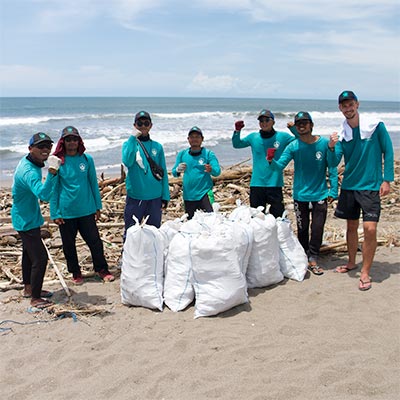
When Dominik quit his job as an engineer at Airbus in 2020 to found Oceanmata, he knew: The fight against ocean plastic begins with small steps. What started as an idea on a littered beach in Bali is now a team of 11 employees in Medewi, collecting plastic every day.
Get Involved – for a Plastic-Free Ocean 🐙
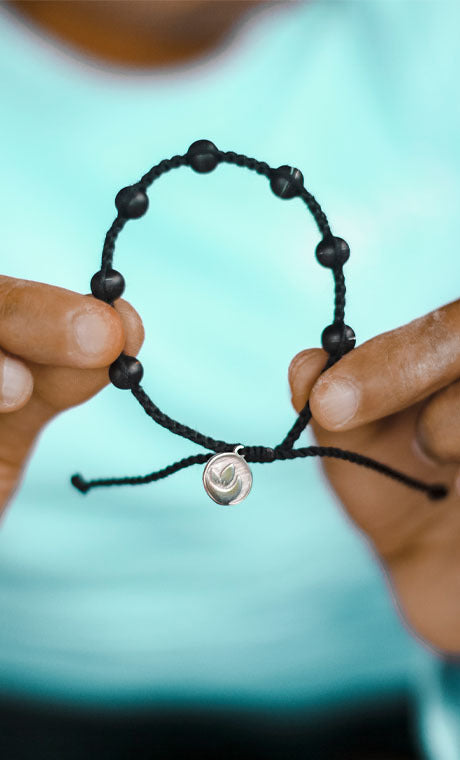
Octopuses deserve a clean ocean. For every Oceanmata product, 1 kg of plastic is collected from the sea – directly on the beach of Medewi, Bali. Whether sustainable phone case, ocean plastic bracelet, or marine animal sponsorship: Your contribution counts. Together, we protect the smartest animals of the seas.

