





Nanoplastics in the Ocean – Why We Must Act Now
You've surely heard of microplastics – tiny plastic particles polluting our oceans. But there's an even more insidious threat that hardly anyone talks about: nanoplastics. These particles are so tiny they're invisible to the naked eye – yet they cause enormous damage.
A brand new study, published in the journal Nature, has now for the first time revealed the full extent of nanoplastic pollution in the North Atlantic. The results are alarming – and affect us all.
What are Nanoplastics? 🔬
Nanoplastics are plastic particles smaller than 1 micrometer (0.001 millimeter). For comparison: a human hair is about 70 micrometers thick. Nanoplastic particles are therefore at least 70 times thinner than a hair – completely invisible to us.
These tiny particles are formed when larger plastic pieces continuously break down due to UV radiation, waves, and mechanical stress. The problem: the smaller the particles become, the easier they can penetrate living organisms – into cells, tissues, and even blood.
The New Study: 15 Megatons of Nanoplastics in the North Atlantic 🌊
Scientists from the Netherlands and Germany took water samples at 12 locations in the North Atlantic – from the surface to the seabed. The shocking result:
- Nanoplastics at every single sampling site – without exception, at every depth
- 18.1 mg/m³ at the surface, 10.9 mg/m³ at medium depth, 5.5 mg/m³ at the seabed
- Estimated total amount: 11.7 to 15.2 megatons in the surface layer of the North Atlantic alone
This means: the mass of nanoplastics in the upper water layers significantly exceeds the estimated amount of larger plastic. The plastic problem is thus much larger than we previously thought.
Why are Nanoplastics so Dangerous? ⚠️
Nanoplastics are not just "smaller microplastics." Their small size makes these particles particularly insidious:
- Cell-permeable: Nanoplastics can penetrate cell membranes and accumulate in organs
- Climate-damaging: Current research shows that nanoplastics impair the ocean's ability to absorb CO₂ – our most important natural climate protection
- Food chain: From plankton to fish to us humans – nanoplastics accumulate throughout the entire food chain
- Invisible: Conventional filter systems cannot filter out nanoplastics

The Ocean as a Climate Savior – Threatened by Plastic
What many don't know: the ocean absorbs about 30% of the CO₂ we produce. Without this gigantic buffering capacity, climate change would be even more dramatic. But precisely this ability is threatened by plastic.
Nanoplastics disrupt plankton – those tiny organisms responsible for a large part of oceanic CO₂ absorption. At the same time, degrading plastic particles themselves release greenhouse gases. A vicious cycle that we must break.
What You Can Do About Nanoplastics 💪
The good news: every single one of us can make a difference. Because nanoplastics are formed from "normal" plastic – the less of it enters the environment, the less nanoplastic will be created.
- Reduce plastic consumption: Avoid single-use plastic, choose reusable alternatives
- Shop consciously: Support products made from recycled materials instead of new plastic
- Educate: Talk to friends and family about the nanoplastic problem
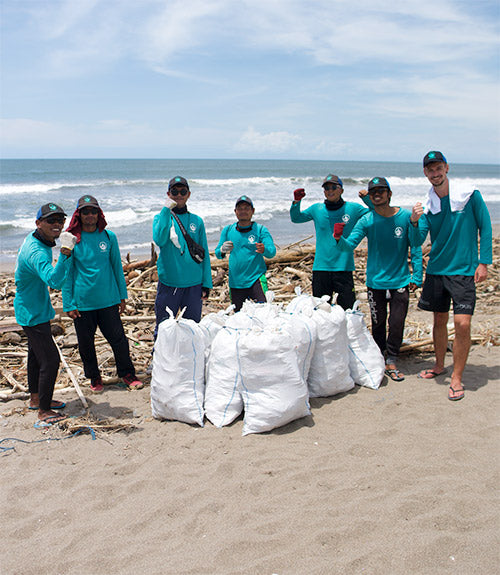
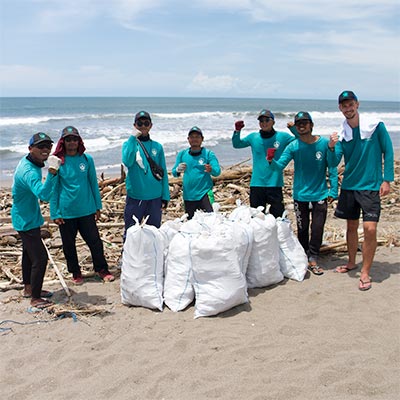
- Get active: Beach cleanups, sign petitions, support organizations
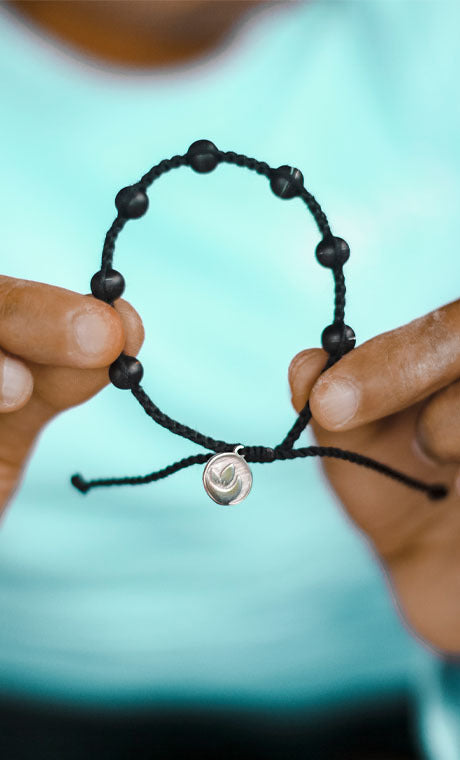
Even small everyday decisions make a difference: Whether you choose a sustainable phone case made from ocean plastic or wear a bracelet made from recycled ocean plastic – every conscious choice counts.
Global Solutions: Where Do We Stand?
Intensive work is underway at the international level to find solutions. The Ocean Cleanup project has already removed over 45 million kilograms of plastic from oceans and rivers – a new record. And new AI technologies are making it possible for the first time to track plastic waste via satellite and predict drift patterns.
At the same time, negotiations for the UN Plastic Treaty are stalled. After several failed rounds of negotiations, states are still seeking a consensus. This shows: We cannot just wait for politicians – we must become active ourselves.
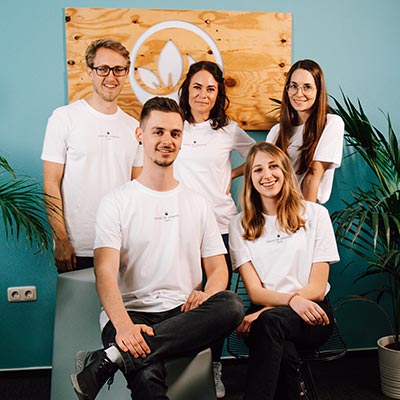
When Dominik quit his job as an engineer at Airbus in 2020 to found Oceanmata, he knew: The fight against ocean plastic begins with small steps. What started as an idea on a polluted beach in Bali is now a team of 11 employees in Medewi, collecting plastic every day.
Join us – for a plastic-free ocean 🌊
For every Oceanmata product, 1 kg of plastic is collected from the ocean. With a marine animal sponsorship, you can achieve even more and directly protect endangered species. Together, we ensure that less plastic becomes nanoplastic – for clean oceans and a stable climate.
Learn more about our mission and how you can become part of the solution.
Entdecke passende Oceanmata Produkte

