


Image credit: Photo by @ayya.lens
Protecting Coral Reefs – Why Every Second Counts
They cover less than one percent of the ocean floor – and are home to around 25 percent of all marine life on Earth. Coral reefs are the most biodiverse ecosystems in our oceans, the underwater Amazon. And they are dying. Faster than many of us realize. But there's good news: you can do something – and even today.
🪸 Short Facts – Coral Reefs
- Global area: approx. 284,000 km² – smaller than Germany
- Biodiversity: Home to over 800 coral species and 4,000+ fish species
- Economic value: approx. 375 billion USD per year (fishing, tourism, coastal protection)
- Threat status: 50% of coral reefs lost since 1950
- Main threats: Climate change, ocean acidification, plastic pollution, overfishing
- Growth rate: Corals only grow 0.3–10 cm per year

What Coral Reefs Actually Are 🌊
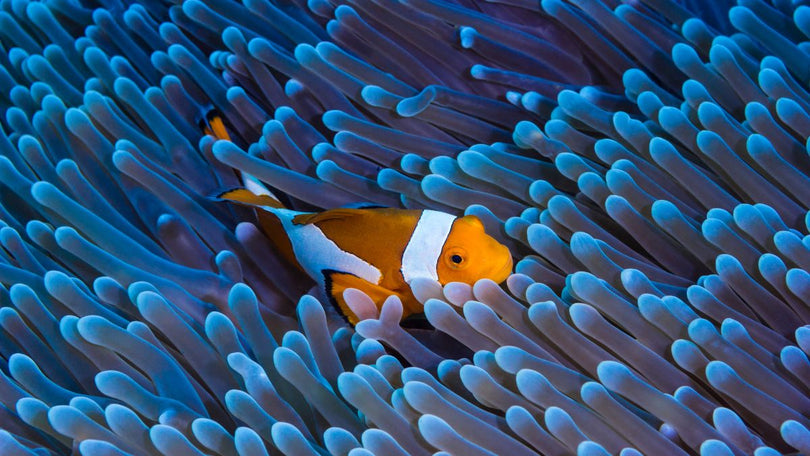
Corals look like plants – but they are animals. More precisely: small polyps that live together with millions of their kind and build huge limestone structures over centuries. These structures are the reefs we know and love. The fascinating thing is that corals live in close symbiosis with microscopic algae, called zooxanthellae. These algae perform photosynthesis within the coral polyps and supply them with nutrients – in return, the algae get protection and CO₂. This partnership is vital for both sides.
When corals are stressed – for example, by rising water temperatures – they expel the algae. The coral loses its color and turns white: coral bleaching. If the stress persists, the coral dies. A reef that has taken thousands of years to form can die within weeks.
Why Coral Reefs Are in Danger 🚨
The threat to coral reefs is serious. According to the UNEP report on the status of coral reefs, we have already lost half of all reefs since 1950. The main causes:
- Climate change: Rising sea temperatures trigger mass bleaching events. The Great Barrier Reef in Australia has experienced five severe bleaching events since 2016.
- Ocean acidification: More CO₂ in the atmosphere means more CO₂ in the sea. The water becomes more acidic – this attacks the calcium carbonate structures of corals and inhibits their growth.
- Plastic pollution: Plastic waste scratches delicate coral surfaces, blocks sunlight, and increases the risk of disease by up to 89 percent. Microplastics are even directly ingested by coral polyps.
- Overfishing: Without herbivorous fish like parrotfish, algae overgrow the reefs and displace corals. Many of these fish species are depleted due to overfishing.
- Destructive fishing practices: Dynamite fishing and cyanide fishing physically destroy entire sections of reefs within seconds.

The Great Barrier Reef – A Wake-Up Call 🐠
The Great Barrier Reef is the most famous coral reef in the world – and one of the most endangered. With over 2,300 km in length, it is the largest living structure on the planet. But in recent years, it has suffered dramatically. Scientists from the Australian Institute of Marine Science (AIMS) recently documented widespread bleaching across large parts of the reef. At the same time, researchers worldwide are fighting back with innovative methods – from heat-resistant coral cultivation to 3D-printed reef structures as new settlement areas.
It's not too late. But time is running out.
Coral Reefs and Your Everyday Life – The Invisible Connection
What do coral reefs have to do with your everyday life? More than you might think. Over 500 million people worldwide depend directly on healthy coral reefs – as a food source, an income source, and a natural protective barrier against storm surges and coastal erosion. Reefs dampen up to 97 percent of wave energy. Without them, coastal regions worldwide would be flooded dramatically more often.
Furthermore, many medicines originate from reef organisms. Compounds from corals have already been used for cancer therapies and wound healing. What we lose if the reefs die can hardly be quantified.
What You Can Do 💪
The good news: coral reefs can recover – if the stress subsides. And you can directly help reduce this stress:
- Reduce plastic consumption: Less plastic in everyday life means less in the ocean. Choose reusable products and support brands that actively remove plastic from the ocean.
- Reduce your carbon footprint: Climate change is the biggest threat to reefs. Fly less, eat more plant-based foods, use renewable energy – every decision counts.
- Choose sustainable seafood: The MSC label indicates whether fish comes from sustainable sources. This way, you support natural ecosystems.
- Be mindful when diving and snorkeling: Never touch corals, avoid sunscreens containing oxybenzone (harmful to coral), and maintain sufficient distance.
- Support conservation organizations: WWF, CORAL, and other organizations are fighting directly to preserve reefs – your support makes a difference.
Oceanmata and the Fight for Clean Oceans 🌏
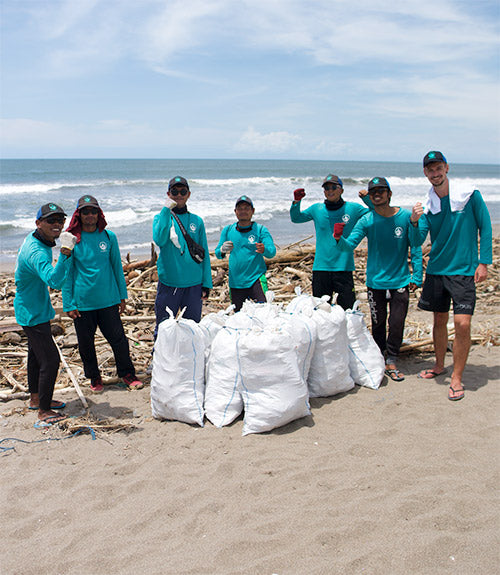
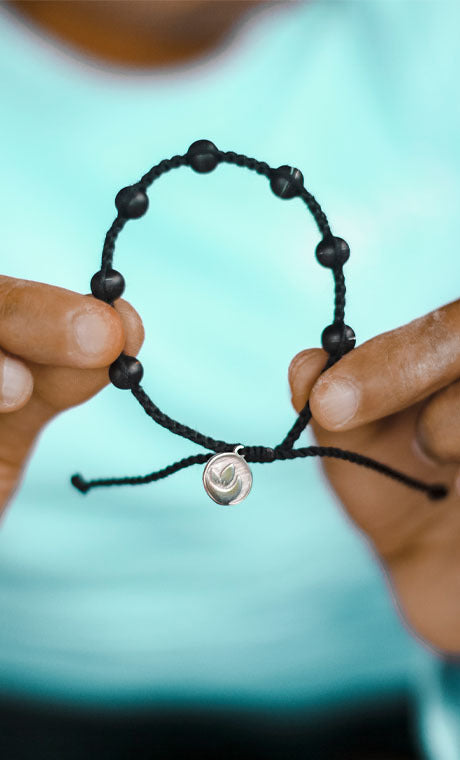
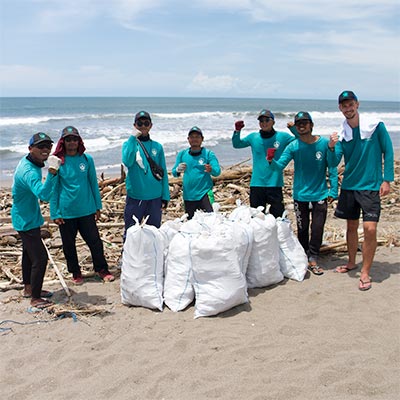
At Oceanmata, we are dedicated to protecting the oceans – not just with words, but with actions. For every product you buy from us, we collect 1 kg of plastic from the ocean, directly in Medewi, Bali. Every sustainable phone case made from ocean plastic, every bracelet made from marine plastic is a concrete contribution to cleaner oceans – and thus to healthier coral reefs.
Because less plastic in the ocean means less disease for corals, less microplastic in the polyps, and a real chance for the world's reefs to recover. Do you want to do even more? With a marine animal sponsorship, you additionally support concrete protection projects for endangered marine life.
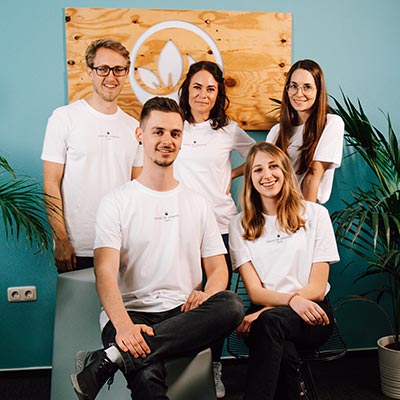
When Dominik quit his job as an engineer at Airbus in 2020 to found Oceanmata, he knew: the fight against ocean plastic starts with small steps. What began as an idea on a trash-strewn beach in Bali is now a team of 11 employees in Medewi, collecting plastic every day.
🪸 Protecting Coral Reefs Starts Now
The world's reefs need us – and the time to act is now. Choose sustainable products from Oceanmata, reduce your plastic consumption, and share this article with people you care about. Together, we can give the oceans what they need: a fair chance.